In this article....
Which sealant should I use? Silicone, acrylic, PU and more explained
Use a mould-resistant silicone in bathrooms and kitchens. Use paintable acrylic for indoor gaps you plan to decorate. For joints that move, such as brickwork, concrete and window frames, use a flexible sealant rated for movement, like low-modulus silicone, hybrid polymer or polyurethane. Fire and acoustic gaps need tested, specialist products.
Walk into any builders’ merchant and you’ll find a wall of cartridges. Silicone, acrylic, PU, hybrid, “all-purpose”. Most of them look the same. They don’t behave the same.
Pick the wrong one and it might crack, go mouldy or refuse to take paint. This guide explains the main types, what each is good for, and which to use for the jobs we see every day.
Mastic or silicone: what’s the difference?
In the UK, “mastic” is often used for any sealant applied with a gun. So when someone asks for a mastic man, they usually mean a sealant specialist.
Strictly speaking, traditional mastic was an oil-based filler that set fairly hard over time. Modern sealants, including silicone, stay flexible for years. That flexibility is the whole point. Buildings move, and joints need to move with them.
So silicone is a type of sealant. “Mastic” is the everyday name for the trade and the job.
The main types of sealant
Silicone sealant
Silicone is the most common sealant in homes. It’s waterproof, flexible and handles UV well, so it works indoors and out.
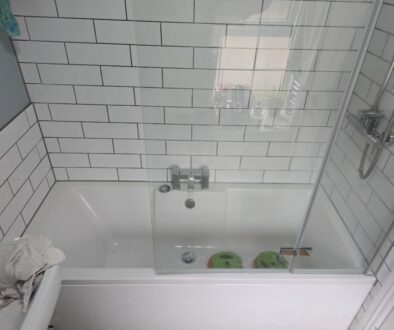
Best used for baths, showers, basins, kitchen sinks, worktops and glazing.
Avoid anything you want to paint. Paint won’t stick to silicone.
There are two main kinds. Acetoxy silicone gives off a vinegar smell as it cures. It’s fine for most bathrooms, but it can mark natural stone and some metals. Neutral-cure silicone has little smell and suits stone, metals, uPVC and external work.
For wet areas, choose a sanitary grade with a mould inhibitor. It won’t make mould impossible, but it slows it down considerably.
Acrylic sealant (decorator’s caulk)
Acrylic is water-based, easy to smooth and paintable once dry. It’s the go-to for neat interior finishing.
Best for skirting boards, architraves, door frames and cracks before decorating.
Avoid for showers, baths and other wet areas, and joints with real movement. It’s less flexible than silicone and can crack.
Polyurethane (PU) sealant
Polyurethane is tough, flexible and resistant to wear. Many grades are paintable.
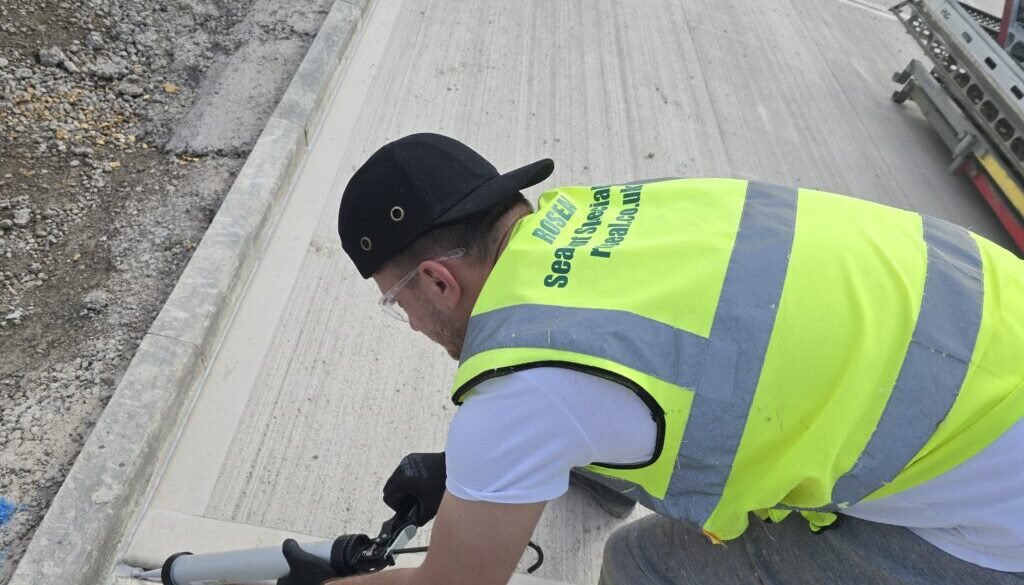
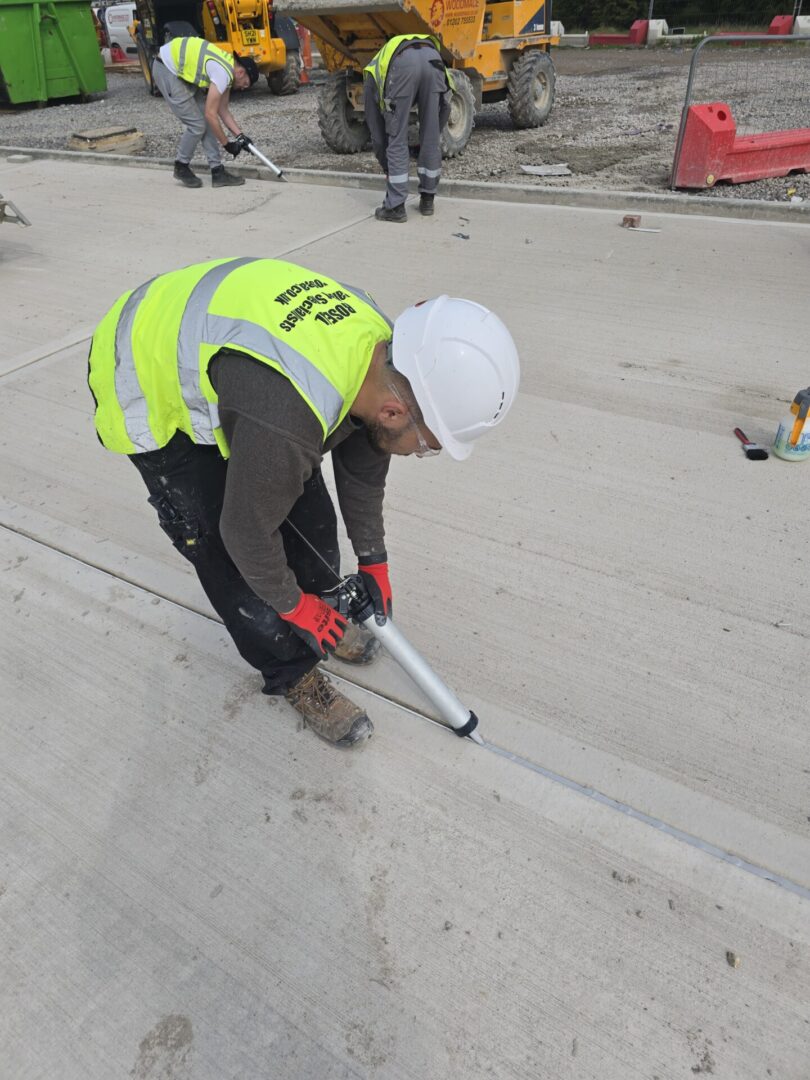
Best for concrete floors, car parks, movement joints and areas with foot or vehicle traffic.
Avoid for some exposed external joints, unless the product is rated for long-term UV. Many PU sealants also need a primer on certain surfaces.
Hybrid polymer (MS polymer) sealant
Hybrids combine many of the strengths of silicone and polyurethane. They grip well, stay flexible, handle UV and can usually be painted. Many bond to slightly damp surfaces too.
Best for window and door perimeters, external joints, and jobs with mixed materials.
Avoid for glazing systems or specialist joints where a specific product is specified.
Polysulphide sealant
Polysulphide is a long-established choice for façade and movement joints. It’s durable and resistant to many chemicals and fuels.
It’s less common than it used to be, and many projects now use low-modulus silicone or hybrids instead. You’ll still see it in specifications for some commercial and civil work.
Fire-rated (intumescent) sealant
Fire-rated sealants help stop fire and smoke passing through gaps, joints and service penetrations. Some expand when heated to close the gap.
This is the one area where “close enough” isn’t acceptable. The product, gap size, depth and backing must match the manufacturer’s tested details. Get that wrong and the joint may not perform in a fire.
Acoustic sealant
Acoustic sealants stay dense and flexible to reduce sound passing through gaps. They’re used at partition heads, floor junctions and around services between rooms and flats.
Quick comparison table
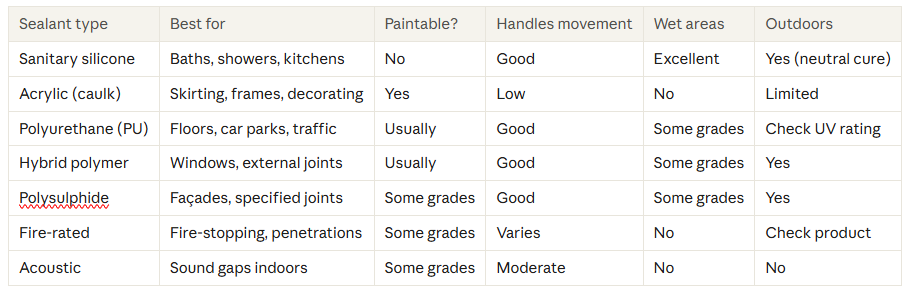
Always check the product’s data sheet. Grades vary, even within the same type.
Which sealant for which job?
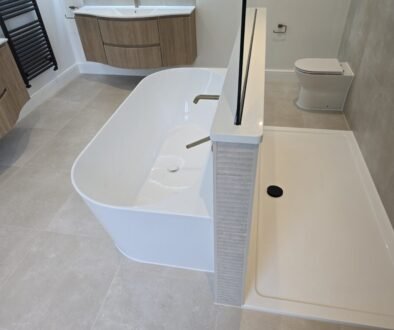
Bath, shower or wet room: sanitary silicone with a mould inhibitor.
Kitchen sink and worktop: sanitary or hygienic silicone that wipes clean.
Window and door frames: neutral-cure silicone or a hybrid polymer outside. Use acrylic inside if you plan to paint.
Skirting boards and architraves: acrylic decorator’s caulk.
Brickwork and concrete movement joints: a low-modulus silicone, PU or hybrid, installed over a backing rod.
Natural stone: a neutral-cure sealant made for stone, to avoid staining.
Floors and car parks: a trafficable PU or hybrid sealant.
Fire-stopping and service penetrations: a tested fire-rated system, installed to the manufacturer’s details.
Commercial kitchens and food areas: a hygienic sealant suitable for food environments.
What to check on the cartridge
Before you buy, look for these details on the label or data sheet:
- Movement capability. Often shown as a percentage, such as 20% or 25%. Higher means it copes with more movement.
- Cure type. Acetoxy or neutral cure, especially for stone, metal and external work.
- Mould resistance. Essential for bathrooms and kitchens.
- Paintability. Silicone can’t be painted. Acrylic, and many hybrids and PUs, can.
- Suitable surfaces. Some products need a primer on porous or unusual materials.
- Colour. White, clear, grey and many other shades are available. A good match makes the joint almost disappear.
Why the right sealant still fails
Even the best product fails if it’s applied badly. The most common causes we see are:
- old sealant left in the joint underneath the new bead
- dirty, damp or greasy surfaces
- joints that are too deep, too thin or missing a backing rod
- sealant stuck to the back of the joint as well as both sides, which stops it stretching
- using the room before the sealant has fully cured
That’s why preparation matters as much as product choice. If your sealant keeps lifting, our guide to why silicone keeps peeling away explains what’s going wrong. And if you’re wondering when to replace it, see how long silicone sealant lasts.
When to call a professional
Resealing a single basin is a reasonable DIY job. Some work is better left to a specialist, though:
- fire-rated and acoustic sealing, where the installation has to match tested details
- movement joints in brick, concrete and car parks
- high-level, external or large-scale work
- new-build packages, where sealant forms part of handover
- any job where a neat, consistent finish really matters
ROSEAL works with homeowners, landlords and contractors across the South West. We choose the right sealant for each joint, prepare it properly and leave a clean finish.
Not quite. “Mastic” is the common UK name for gun-applied sealant and the trade itself. Silicone is one specific type of sealant.
Not sure which sealant your job needs? Send us a few photos, and we’ll recommend the right product and give you a clear quote.