Why does bathroom sealant leak? Causes, signs and what to do
Bathroom sealant helps prevent water from reaching areas behind baths, showers, sinks, and other fixtures. When the seal starts failing, even a small gap can allow moisture to travel where it shouldn’t.
A leaking seal doesn’t always mean there is a major plumbing problem. In many cases, the sealant itself has deteriorated or lost its bond.
What Causes Bathroom Sealant to Leak?
There are several reasons a bathroom seal can begin allowing water through.
The most common include:
- Ageing or deteriorated silicone
- Cracks and splits
- Sealant pulling away from the surface
- Poor surface preparation
- Movement between surfaces
- Applying new silicone over old sealant
- Moisture trapped beneath the seal
Identifying the cause is important because simply adding more silicone may not solve the underlying problem.
How Can You Tell If Bathroom Sealant Is Leaking?
Sometimes the problem is obvious, but water can also escape through small gaps that aren’t immediately visible.
Look for:
- Water appearing outside the bath or shower area
- Dampness around the edge of a shower tray
- Discoloured surfaces near sealed joints
- Mould developing repeatedly
- Silicone lifting away from the surface
- Visible gaps or cracks
If water consistently appears in the same area after bathing or showering, the seal should be inspected.
Can a Small Gap Cause Water Damage?
It can.
Sealant is designed to prevent water from reaching surrounding materials. Once a seal develops a gap, repeated exposure to water can allow moisture behind tiles, panels, baths, shower trays, worktops, or other surfaces.
The amount of damage depends on how much water is getting through and how long the problem remains untreated.
Why Does Silicone Pull Away From the Bath or Shower?
A common reason is movement.
Baths and shower trays can move slightly when weight is applied or when temperatures change. Silicone is flexible and designed to accommodate normal movement, but ageing sealant can lose its ability to stretch and recover.
Poor adhesion can also cause the seal to separate from the surface.
Can You Repair a Leaking Section of Silicone?
A small visible defect may look easy to patch, but adding new silicone to an existing failed section isn’t always a lasting solution.
If the surrounding sealant is also ageing or poorly bonded, removing the affected bead and replacing it properly is generally more reliable.
This also gives the surface an opportunity to be cleaned and inspected before new silicone is applied.
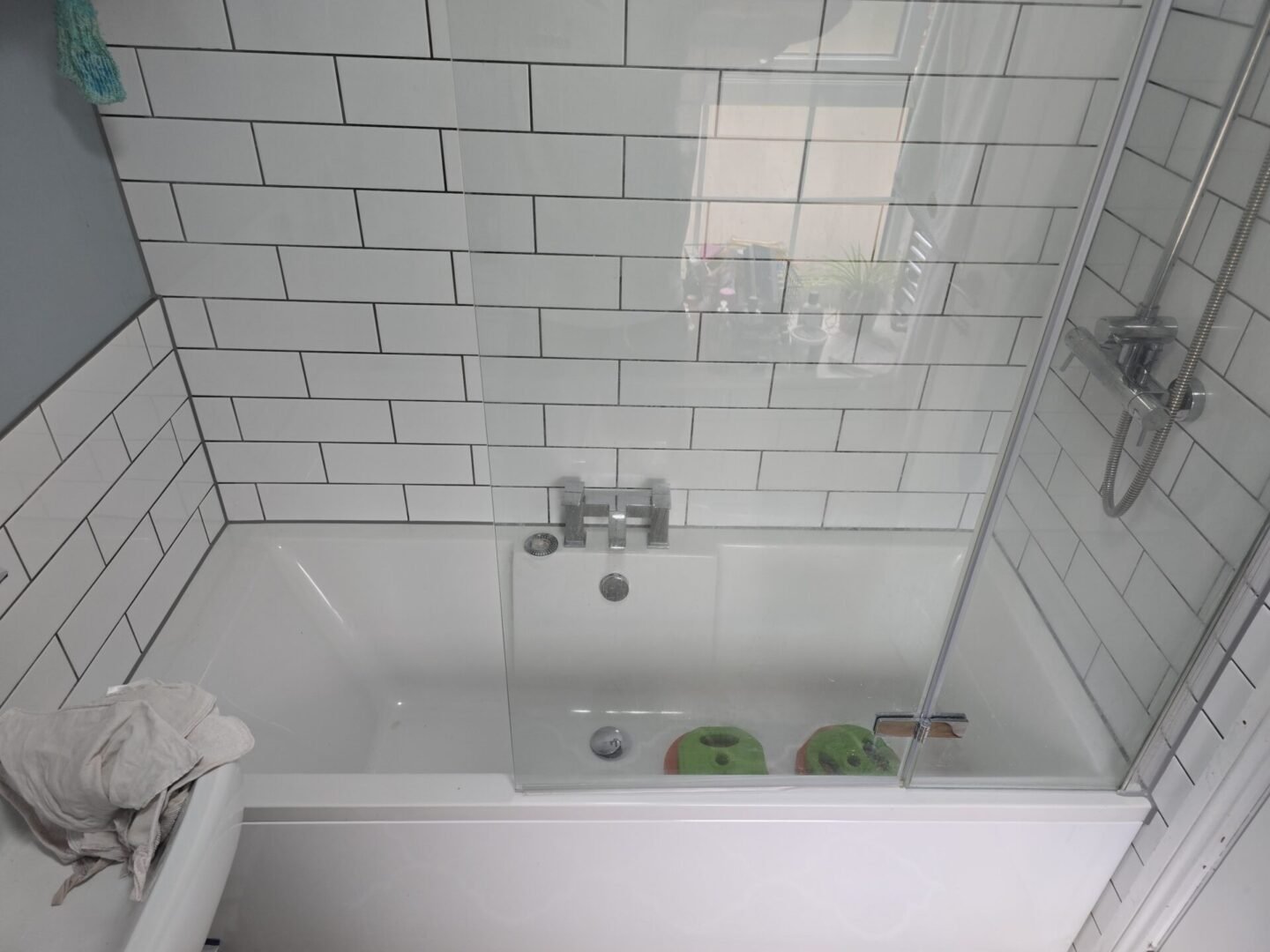
Should You Reseal a Bath When It Is Full?
The position of a bath can change slightly when it is filled with water or used.
For this reason, the correct installation and application method matters when sealing around a bath. The specific requirements can vary depending on the bath, surrounding surfaces, and manufacturer’s guidance.
If an existing seal is repeatedly failing, the cause should be investigated rather than simply adding another layer.
What Should You Do If Water Is Getting Behind the Seal?
If you notice water escaping from a bathroom seal:
- Check where the water is actually coming from.
- Inspect the silicone for gaps, cracks, or separation.
- Avoid simply covering failed sealant with another layer.
- Keep the area as dry as possible.
- Arrange appropriate repair or resealing if the seal has deteriorated.
If there is significant or unexplained water damage, the issue may be more than a sealant problem and should be investigated appropriately.
When Should Bathroom Sealant Be Completely Replaced?
Complete replacement is usually worth considering when the sealant is:
- Cracked
- Peeling
- Mouldy and deteriorated
- Discoloured and ageing
- Pulling away from the surface
- Repeatedly allowing water through
Replacing the complete affected seal can provide a cleaner and more consistent result than repeatedly repairing individual areas.
Professional Bathroom Resealing
A successful reseal depends heavily on preparation.
Old silicone needs to be removed carefully, surfaces need to be clean and dry, and the new sealant needs to be suitable for the environment.
The final finish should be neat and consistent while providing reliable protection around the sealed joint.
A leaking bathroom seal doesn’t necessarily mean you have a plumbing problem. Ageing silicone, poor adhesion, movement, and inadequate preparation can all allow water to escape.
If the sealant has deteriorated, proper removal and replacement is usually a more reliable solution than repeatedly applying new silicone over the existing seal.