Can you reseal a shower without removing the old silicone?
If your shower silicone is starting to look tired, cracked, or mouldy, it can be tempting to simply apply a new layer over the existing sealant.
Although this may seem quicker, new silicone generally does not bond reliably to old silicone. Proper removal and preparation are usually the better approach when you want a clean and durable result.
Can New Silicone Stick to Old Silicone?
Silicone has poor adhesion to cured silicone.
This means applying fresh sealant directly over an existing silicone bead can result in weak adhesion, uneven edges, and premature failure.
Even when the new silicone initially looks neat, it may begin separating from the old layer as the shower is exposed to water and movement.
Why Should Old Silicone Be Removed?
Removing the existing sealant allows the surface underneath to be properly inspected and prepared before the new bead is applied.
It also helps identify issues that may otherwise remain hidden, such as:
- Moisture behind the seal
- Mould growth
- Damaged surfaces
- Gaps around the shower tray
- Failed or loose existing sealant
Starting with a clean surface gives the new sealant a much better foundation.
What Happens If You Silicone Over Existing Sealant?
Applying new silicone over old sealant can create several problems.
Poor adhesion
The new silicone may not bond properly to the existing bead.
Uneven finish
Adding another layer can make the joint look bulky or inconsistent.
Trapped moisture
If moisture or mould is already present underneath, covering it can leave the underlying problem untouched.
Shorter lifespan
The new sealant may begin peeling or separating much sooner than expected.
What Is the Proper Way to Reseal a Shower?
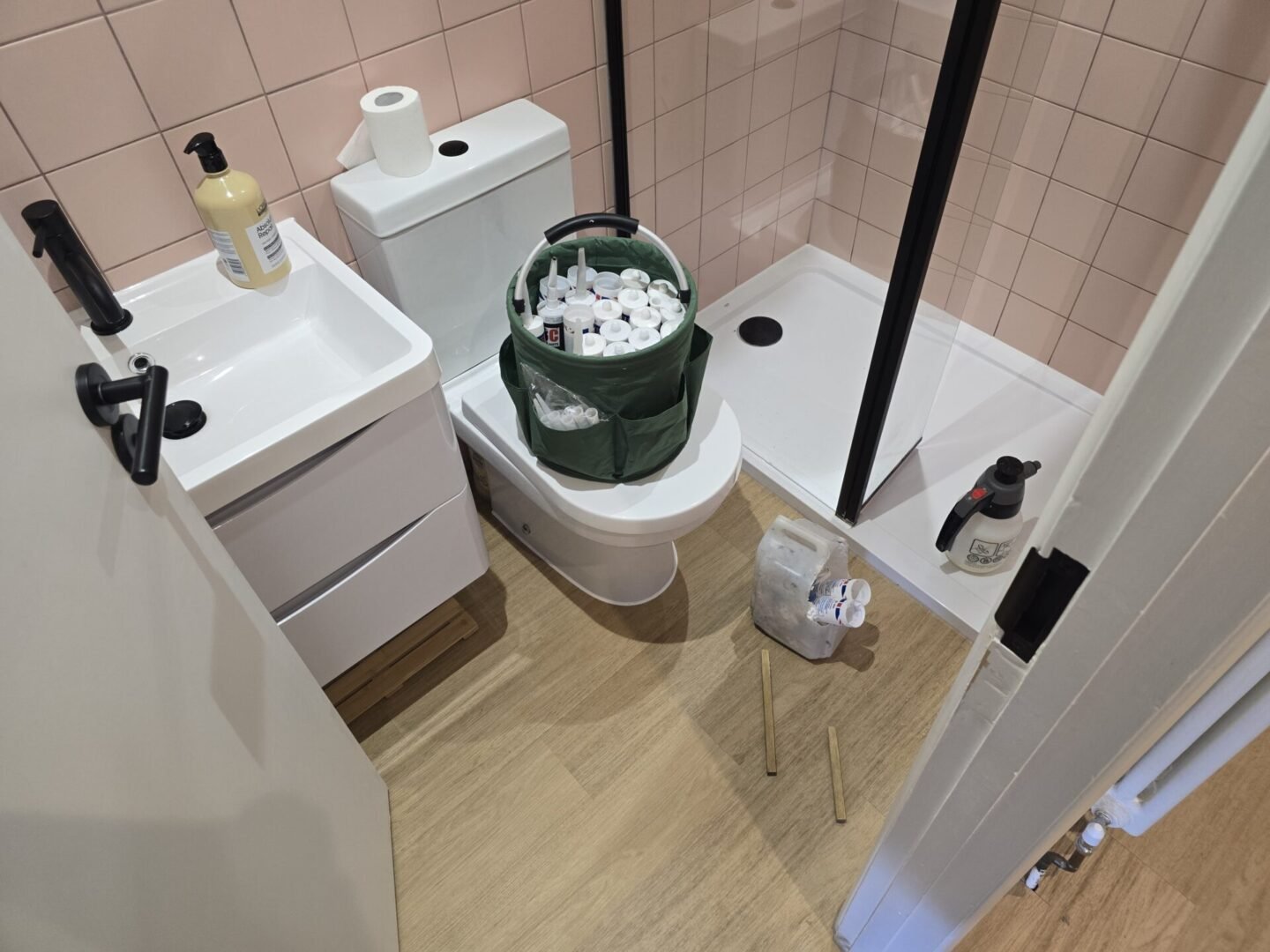
A successful reseal normally starts with removing the old silicone completely.
The general process involves:
- Removing the existing sealant carefully.
- Clearing away remaining residue.
- Cleaning the surfaces thoroughly.
- Allowing the area to dry completely.
- Checking the joint and surrounding surfaces.
- Applying suitable new silicone.
- Finishing the new seal neatly and consistently.
- Allowing sufficient curing time before the shower is used.
The preparation stage is just as important as applying the new silicone.
What If Only a Small Section Has Failed?
It can be tempting to patch only the damaged section.
However, silicone replacement is usually more effective when the complete affected joint is removed and resealed.
This creates a continuous new seal rather than leaving older and newer sections joined together.
If the existing sealant is otherwise in excellent condition and the issue is very minor, the appropriate solution can depend on the specific circumstances.
Can Mouldy Shower Silicone Be Cleaned Instead?
Sometimes surface mould can be cleaned successfully.
However, if mould has penetrated the silicone, keeps returning, or the sealant is cracked or separating, cleaning is unlikely to provide a permanent solution.
In these circumstances, replacement is generally the more reliable option.
How Long Should You Wait Before Using a Resealed Shower?
Fresh silicone needs sufficient time to cure before being exposed to water.
The required curing time depends on the specific product and environmental conditions, so always follow the manufacturer’s instructions.
Using the shower too soon can interfere with the curing process and compromise the finished seal.
When Should You Have a Shower Professionally Resealed?
Professional resealing may be worth considering when:
- Silicone is repeatedly peeling away
- Mould keeps returning
- Water is escaping around the shower
- Existing sealant has become cracked or brittle
- Previous resealing attempts have failed
- You want a clean, consistent finish
Correct preparation can be difficult to achieve when old sealant is stubborn or surfaces are difficult to access.
Final thoughts
Applying new silicone over old silicone may appear to save time, but it rarely provides the best long-term result.
Removing the existing sealant, preparing the surfaces properly, and applying a fresh continuous bead gives the new silicone a much better opportunity to bond correctly and provide a clean, durable finish.
If your shower sealant is already failing, replacing it properly is usually more effective than repeatedly covering the problem.