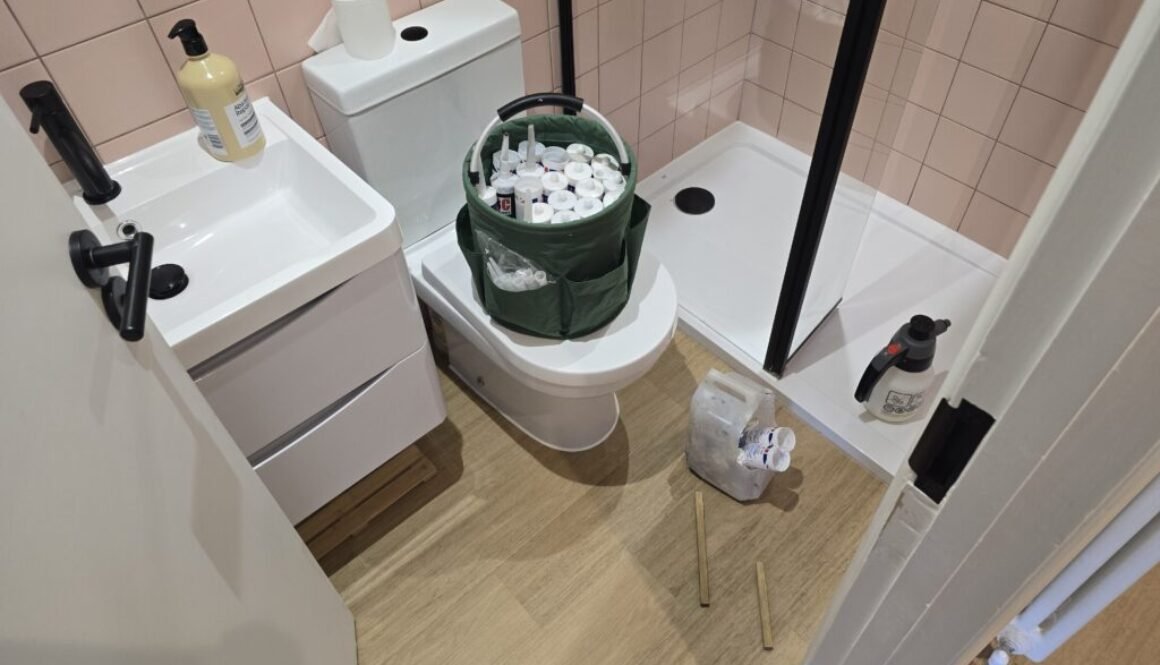
How long does silicone sealant take to dry?
In this article....
How long does silicone sealant take to dry?
If you’ve just had silicone applied around your bath, shower, sink or worktop, one question usually comes up straight away: how long does silicone sealant take to dry?
The short answer is that silicone normally becomes touch-dry relatively quickly, but that doesn’t mean it has fully cured. Depending on the product and conditions, the sealant may need considerably longer before it is ready for regular exposure to water.
That distinction matters. Using a freshly sealed shower or bath too soon can interfere with the curing process and potentially affect the quality of the finished joint.
How Long Does Silicone Take to Dry?
Most silicone sealants begin to form a skin within a relatively short period after application. Full curing takes longer.
As a general guide, many bathroom and sanitary silicone products will:
- Begin to skin over within minutes to an hour
- Become firm enough to resist light contact after several hours
- Continue curing beneath the surface for around 24 hours or longer
- Require additional time in cooler or particularly damp conditions
However, there isn’t one drying time that applies to every silicone.
Always check the manufacturer’s instructions for the specific product being used. The recommended curing time can vary considerably between products.
What’s the Difference Between Drying and Curing?
This is where a lot of confusion comes from.
When people say silicone has “dried”, they often mean the surface no longer feels wet or sticky. But silicone doesn’t simply dry in the same way that paint does.
It cures through a chemical reaction, and the material gradually becomes more stable throughout its depth.
That means the surface can feel relatively firm while the silicone underneath is still curing.
For a seal around a bath or shower, that distinction is important. A joint that feels dry to the touch isn’t necessarily ready to be exposed to normal use.
How Long Before You Can Use a Shower After Applying Silicone?
If new silicone has been applied around your shower, it’s best to keep the area dry for the full curing period specified by the manufacturer.
For many commonly used sanitary silicones, 24 hours is often used as a general minimum, but some products may require longer.
If the manufacturer specifies 24 hours, for example, don’t assume the silicone is ready after six or eight hours simply because it looks dry.
The longer the joint can remain undisturbed and dry during the recommended curing period, the better.
What if you have to use the shower?
If possible, use another bathroom until the sealant has cured.
A short period of inconvenience is preferable to compromising a newly applied joint and potentially having to reseal it again.
How Long Before You Can Use a Bath?
The same principle applies to baths.
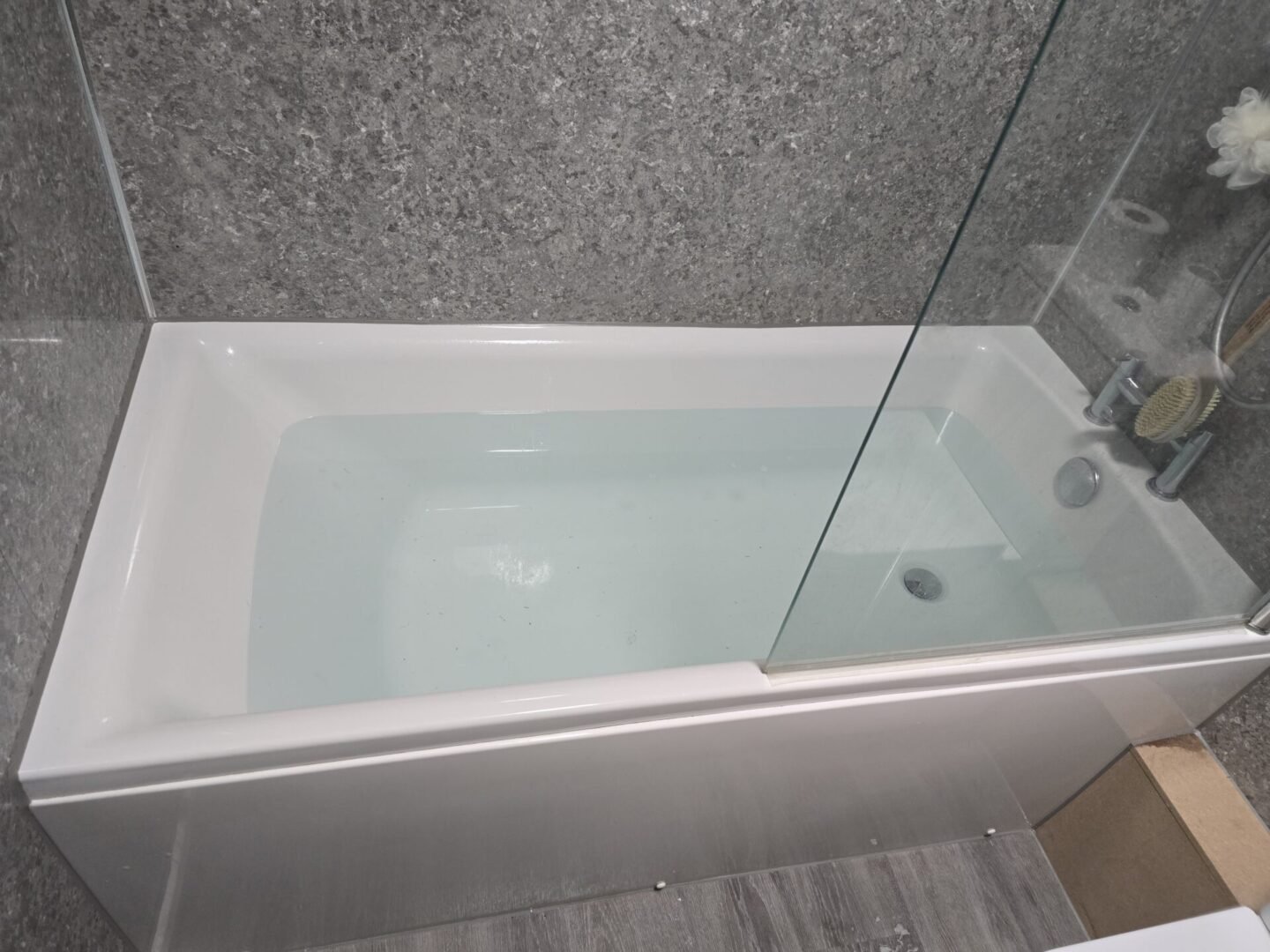
Avoid filling or using the bath until the silicone has had sufficient time to cure according to the manufacturer’s instructions.
This is particularly important where the bath has been resealed along its edge. Filling the bath adds weight, and movement between the bath and surrounding surfaces can put stress on a fresh silicone joint.
If you’re interested in the resealing process itself, see our guide to how to reseal a bath.
What Happens If Silicone Gets Wet Before It Cures?
A small amount of accidental contact doesn’t necessarily mean the entire job has failed, but deliberately exposing uncured silicone to water is best avoided.
Water can interfere with the curing process depending on the product and circumstances. More importantly, disturbing the fresh seal can affect its shape, adhesion and ability to form a continuous joint.
If freshly applied silicone has been heavily exposed to water before the recommended curing period has passed, it’s worth checking the manufacturer’s guidance rather than assuming everything is fine.
What Affects Silicone Curing Time?
The time required for silicone to cure can vary depending on several factors.
Temperature
Silicone generally cures more slowly in colder conditions.
A bathroom that is unusually cold can therefore take longer to reach the manufacturer’s recommended cure time.
Humidity
Many moisture-curing silicones actually rely on moisture in the air as part of the curing process. However, that doesn’t mean the fresh seal should be deliberately soaked or exposed to running water.
Normal environmental humidity and direct contact with water are two very different things.
Thickness of the Seal
A thin bead will generally cure differently from a much thicker application.
The deeper the silicone joint, the longer it can take for the material to cure throughout.
Ventilation
Good ventilation can help maintain suitable conditions in a bathroom, particularly after a shower or during other work that creates a lot of moisture.
However, excessive cold airflow isn’t necessarily helpful either. The aim is to maintain reasonable conditions rather than trying to force the silicone to cure.
The Type of Silicone
Different products have different curing characteristics.
A standard sanitary silicone, specialist construction sealant and fast-curing product shouldn’t automatically be assumed to have the same cure time.
Always check the technical information supplied with the product.
How Can You Tell If Silicone Has Cured?
Appearance alone isn’t a reliable way to determine whether silicone has fully cured.
A cured sealant should generally feel firm and stable rather than soft or unusually tacky. However, the manufacturer’s stated curing time remains the better guide.
If the silicone is still soft, sticky or easily deformed after the recommended period, there may be an issue with the application or curing conditions.
Don’t simply keep adding water to test it.
Why Isn’t My Silicone Drying?
If silicone remains soft or sticky well beyond the expected curing period, several things could be responsible.
The surface was contaminated
Silicone needs a suitable surface to bond to. Grease, dust, cleaning products or traces of old sealant can interfere with the application.
The product was applied incorrectly
An unsuitable thickness, incompatible materials or incorrect application can affect performance.
Conditions were unsuitable
Very cold temperatures or unusual environmental conditions can slow curing.
The product has a problem
Old, incorrectly stored or damaged sealant may not perform as expected.
If silicone still hasn’t cured properly after the manufacturer’s stated period, avoid simply covering it with another layer. The underlying problem should be identified first.
Can You Speed Up Silicone Curing?
There isn’t a reliable shortcut that works for every product.
The safest approach is to follow the manufacturer’s instructions and provide suitable environmental conditions.
Avoid heating the sealant aggressively with a hairdryer, heater or other artificial heat source unless the manufacturer specifically recommends it. Excessive or uneven heat isn’t a substitute for proper curing.
Likewise, deliberately spraying water onto the silicone isn’t a sensible way to make it cure faster.
Give the sealant the time it needs.
Common Mistakes After Applying Silicone
Even a well-applied seal can be compromised by what happens afterwards.
Using the bathroom too soon
The silicone may look finished before it has fully cured.
Touching or smoothing the seal repeatedly
Once the silicone has been tooled, leave it alone. Continued handling can damage the surface.
Cleaning around the joint
Avoid scrubbing or applying cleaning products to freshly applied silicone until it has cured.
Removing masking tape too late
If masking tape has been used, it should generally be removed while the silicone is still workable rather than left until the sealant has completely cured.
Assuming every silicone takes the same amount of time
This is perhaps the easiest mistake to make. Product instructions vary, so check the cartridge or technical data rather than relying solely on a generic drying time.
Does Silicone Sealant Dry Faster in Summer?
Warmer conditions can help silicone cure more quickly, provided the conditions remain within the manufacturer’s recommended range.
That doesn’t mean a newly sealed bathroom should be deliberately overheated.
Normal indoor conditions are generally preferable. If you’re working in an unusually cold room, allowing additional curing time may be sensible.
How Long Does Bathroom Silicone Last Once It Has Cured?
Drying and curing time shouldn’t be confused with the lifespan of the finished seal.
A silicone joint can remain effective for years, but its lifespan depends on factors such as moisture exposure, movement, cleaning, surface preparation and the quality of the original application.
If you’re interested in the longer-term lifespan of a silicone joint, read how long does silicone sealant last?.
When Should You Avoid Using the Bathroom?
If a bath, shower, sink or other wet area has just been resealed, avoid normal use until the sealant has reached the recommended cure time.
This is especially important when:
- A shower tray has been resealed
- Silicone has been replaced around a bath
- A sink has been resealed against a worktop
- A large amount of sealant has been applied
- The room is unusually cold
- The manufacturer’s instructions specify a longer curing period
When in doubt, wait longer rather than shorter.
Give Silicone Time to Cure Properly
Silicone sealant may look finished long before it has completely cured. That’s why rushing to use a freshly sealed bath or shower can be a mistake.
The best approach is simple: check the product instructions, keep the area dry and give the sealant enough time to cure properly.
If your existing silicone is cracked, peeling, mouldy or repeatedly failing, replacing the seal properly is usually more effective than repeatedly patching it.
ROSEAL provides professional bathroom resealing and shower resealing for homeowners, landlords and property professionals.
Contact ROSEAL if you’d like to discuss your resealing requirements.