READING TIME
Why Does Bathroom Silicone Turn Black?
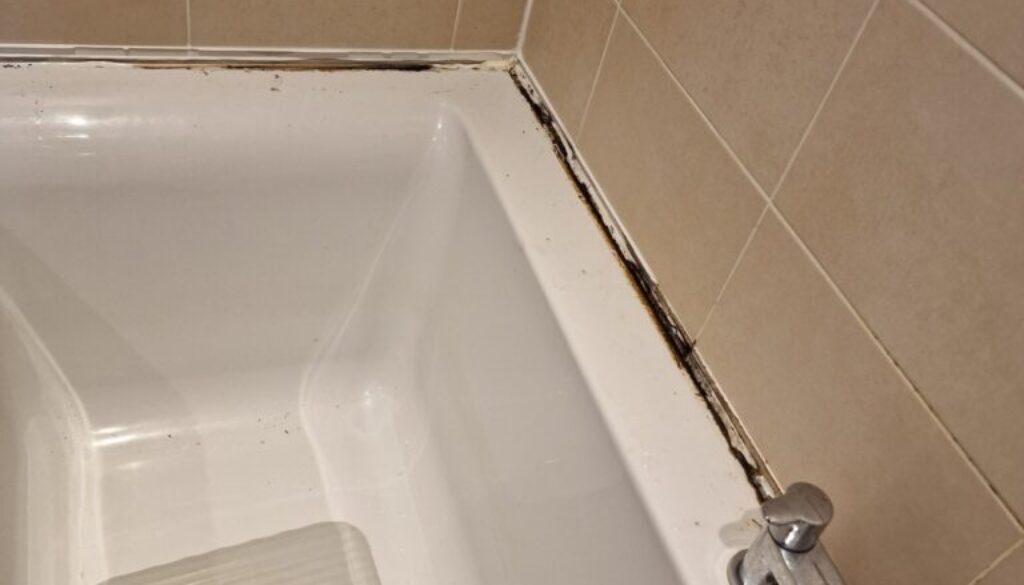
Black marks around bathroom silicone are usually caused by mould growth developing within old or failing sealant. Bathrooms naturally create moisture, heat, and condensation, especially around showers, baths, and sinks. Over time, this creates the perfect environment for mould to grow inside silicone joints.
In many cases, cleaning products may temporarily improve the appearance, but once mould has penetrated the sealant itself, replacement is often the best long-term solution.
Common Causes of Black Silicone
Several things can contribute to bathroom sealant turning black:
- poor ventilation
- trapped moisture
- ageing silicone
- incorrect sealant application
- low-quality sealant materials
Bathrooms without proper airflow are especially prone to mould growth around showers and baths.
Can Black Silicone Be Cleaned?
Surface mould can sometimes be cleaned temporarily, but deeply stained or mould-contaminated silicone usually needs replacing. Once mould develops beneath the surface, it can continue returning even after repeated cleaning.
Professionally replacing failed sealant helps restore both appearance and waterproof protection.
When Should Silicone Be Replaced?
Signs your bathroom sealant may need replacing include:
- black mould staining
- cracked silicone
- peeling edges
- gaps forming around joints
- water leaking behind surfaces
Ignoring failed sealant can eventually lead to moisture damage behind tiles, trays, and bathroom fittings.
Professional Bathroom Resealing
ROSEAL provides professional bathroom resealing services using premium sanitary-grade silicone designed for long-lasting mould resistance and waterproof protection.
If your bathroom sealant is starting to fail, replacing it early can help prevent more expensive problems later on.